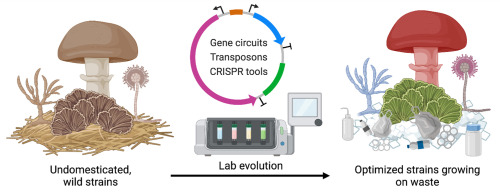
In the realm of technology, innovation knows no bounds. From the depths of nature’s mysteries, humanity often finds inspiration for its most groundbreaking advancements. One such intriguing intersection is the emergence of “shroom tech” – a term denoting technological innovations inspired by mushrooms and fungi. As interest in sustainable, biodegradable, and nature-inspired solutions grows, shroom tech has captured the imagination of researchers, engineers, and entrepreneurs alike. In this article, we’ll delve into the top 10 types of shroom tech, exploring how these fungal innovations are shaping the future of technology.
Biodegradable Packaging
Mushrooms possess remarkable properties that make them ideal candidates for biodegradable packaging solutions. Mycelium, the root-like structure of fungi, can be grown into various shapes and forms to create packaging materials. These materials are not only eco-friendly but also have impressive insulation and shock-absorption capabilities, making them suitable for packaging delicate electronic components and fragile items.
Fungal-Based Batteries
Traditional batteries often rely on toxic materials and rare metals, posing environmental and supply chain challenges. Fungal-based batteries offer a sustainable alternative by harnessing the power of mushrooms. Researchers are exploring ways to utilize fungal enzymes and conductive properties to develop biodegradable batteries. These batteries have the potential to power low-energy devices while reducing the environmental impact of electronic waste.
Mycelium Composites
Mycelium can be cultivated to form strong and lightweight composite materials. These mycelium composites have garnered attention in industries ranging from construction to automotive manufacturing. By incorporating mushroom-derived materials into products like insulation, furniture, and car parts, companies can reduce reliance on fossil fuels and minimize the carbon footprint of their operations.
Fungi-Based Textiles
Mushrooms offer a sustainable alternative to conventional textiles derived from petroleum-based sources. Fungi-based textiles, also known as mycotextiles, are produced by fermenting mycelium with agricultural waste such as corn husks or sawdust. The resulting fabric is not only biodegradable but also breathable, antimicrobial, and moisture-wicking. From clothing to upholstery, mycotextiles are revolutionizing the fashion and textile industries.
Fungal Filtration Systems
Fungi have a natural ability to break down contaminants and pollutants in the environment. Fungal filtration systems leverage this ability to purify water and air in a sustainable manner. By harnessing the filtration capabilities of fungi such as mycelium, these systems can remove toxins, heavy metals, and pathogens from wastewater and industrial emissions, offering a cost-effective and eco-friendly solution for environmental remediation.
Mushroom-Based Sensors
Mushrooms possess unique biochemical properties that make them suitable for sensing applications. Researchers are exploring the use of mushroom-based sensors for detecting various environmental factors such as humidity, temperature, and pollution levels. These sensors, integrated into IoT devices, can provide real-time data for monitoring and controlling environmental conditions in smart cities, agricultural fields, and industrial facilities.
Fungal Medicines and Supplements
Traditional medicine has long recognized the therapeutic properties of certain mushrooms, such as reishi, lion’s mane, and cordyceps. In the realm of shroom tech, researchers are exploring innovative ways to harness the medicinal compounds found in fungi. From immune-boosting supplements to novel drug delivery systems, fungal medicines hold promise for addressing a wide range of health issues, including inflammation, neurodegenerative diseases, and cancer.
Mycelium-Based Bioremediation
Fungi play a crucial role in bioremediation – the process of using living organisms to clean up environmental pollution. Mycelium has the ability to break down organic matter and neutralize contaminants such as oil, pesticides, and industrial chemicals. By deploying mycelium-based bioremediation techniques, scientists can mitigate the environmental impact of pollution and restore ecosystems affected by human activities.
Fungal Food and Nutrients
Beyond their medicinal properties, mushrooms offer a nutritious and sustainable source of food. As the global population grows and environmental concerns mount, there is increasing interest in alternative protein sources. Fungal-based foods, such as mushroom burgers, protein-rich mycoprotein, and mushroom-derived supplements, provide a viable solution to the challenges of food security and sustainable agriculture.
Fungi-Inspired Computing
Nature has long served as a source of inspiration for innovative computing paradigms. Fungi, with their interconnected networks and adaptive behavior, are inspiring new approaches to computing and networking. Fungi-inspired computing models, such as mycelial networks and fungal algorithms, are being explored for their potential applications in distributed computing, swarm intelligence, and decentralized systems.
In conclusion, the burgeoning field of shroom tech represents a convergence of nature and technology, offering sustainable solutions to pressing global challenges. From biodegradable packaging to fungal medicines, mushrooms are inspiring a new wave of innovation across various industries. By harnessing the power of fungi, researchers and innovators are paving the way for a more sustainable and resilient future. As our understanding of fungi deepens, the potential applications of shroom tech are boundless, promising a greener, healthier, and more technologically advanced world.